
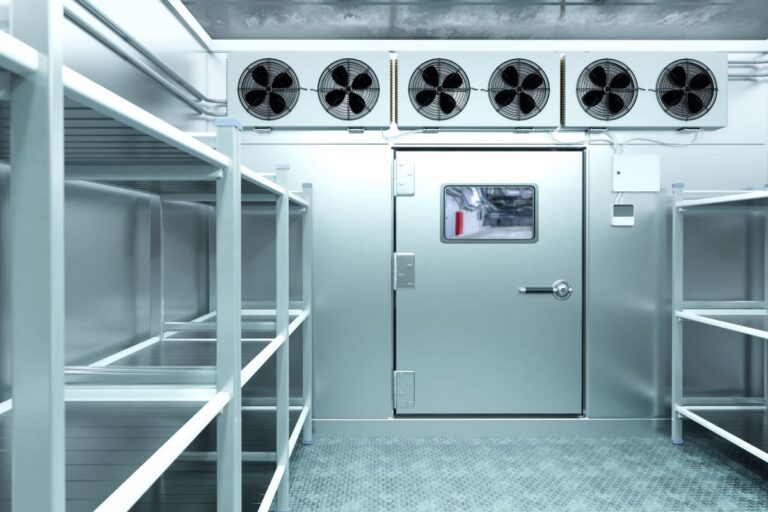
A failing walk-in cooler doesn’t announce itself with flashing lights and alarms. It gives you subtle warnings: a temperature gauge that climbs a few degrees above normal, condensation where it shouldn’t be or a compressor that runs longer than it used to. Ignore those signs long enough, and you’re not looking at a repair bill anymore. You’re looking at thousands of dollars in spoiled inventory, health code violations and a dining room full of customers you can’t serve. Knowing when your walk-in cooler in Atlanta, GA, needs repair can mean the difference between a quick fix and a catastrophic failure at a busy time.
Your Walk-In Cooler Is Struggling to Maintain Temperature
The most obvious sign of a failing walk-in cooler is inconsistent temperature. If your cooler is set to 38°F but regularly drifts to 42°F or higher, something is wrong.
According to the FDA Food Code, refrigerated foods must be stored at 41°F or below to prevent bacterial growth. Even a few degrees can compromise food safety and put your restaurant at risk during a health inspection. Temperature fluctuations usually point to refrigerant leaks, failing compressors or clogged condenser coils.
Ice Buildup Is Forming Inside or Outside the Walk-In Cooler
A walk-in cooler shouldn’t have ice accumulating on walls, ceilings or evaporator coils. Frost buildup indicates poor airflow, a malfunctioning defrost system or door seal issues that allow warm, humid air inside. Left unaddressed, ice restricts airflow, forces the compressor to work harder and accelerates wear on critical components. If you’re chipping ice off shelves or scraping frost from walls more than occasionally in your restaurant, it’s time to call for a walk-in cooler repair in Atlanta, GA.
Your Energy Bills Are Climbing Without Explanation
Walk-in coolers are one of the largest energy consumers in any restaurant, but a sudden spike in electricity costs without a change in usage patterns signals inefficiency. Refrigerant leaks, dirty condenser coils and failing motors all force the system to run longer cycles, driving up operating costs. Catching these issues early through professional repair not only restores efficiency but also prevents failures that shut down operations.
Unusual Sounds or Odors Are Coming From the Walk-In Cooler
Walk-in coolers operate with a steady hum, but grinding, rattling or loud clicking sounds indicate mechanical problems. Strange odors, especially chemical smells or burning, suggest refrigerant leaks or electrical issues. Both require immediate attention to prevent further damage and potential safety hazards.
Schedule Walk-In Cooler Repair in Atlanta, GA
Don’t wait for a complete breakdown to protect your inventory. If your walk-in cooler is showing any of these signs, contact Hot & Cold Equipment Services today for fast, reliable walk-in cooler repair in Atlanta, GA.
Image provided by iStock